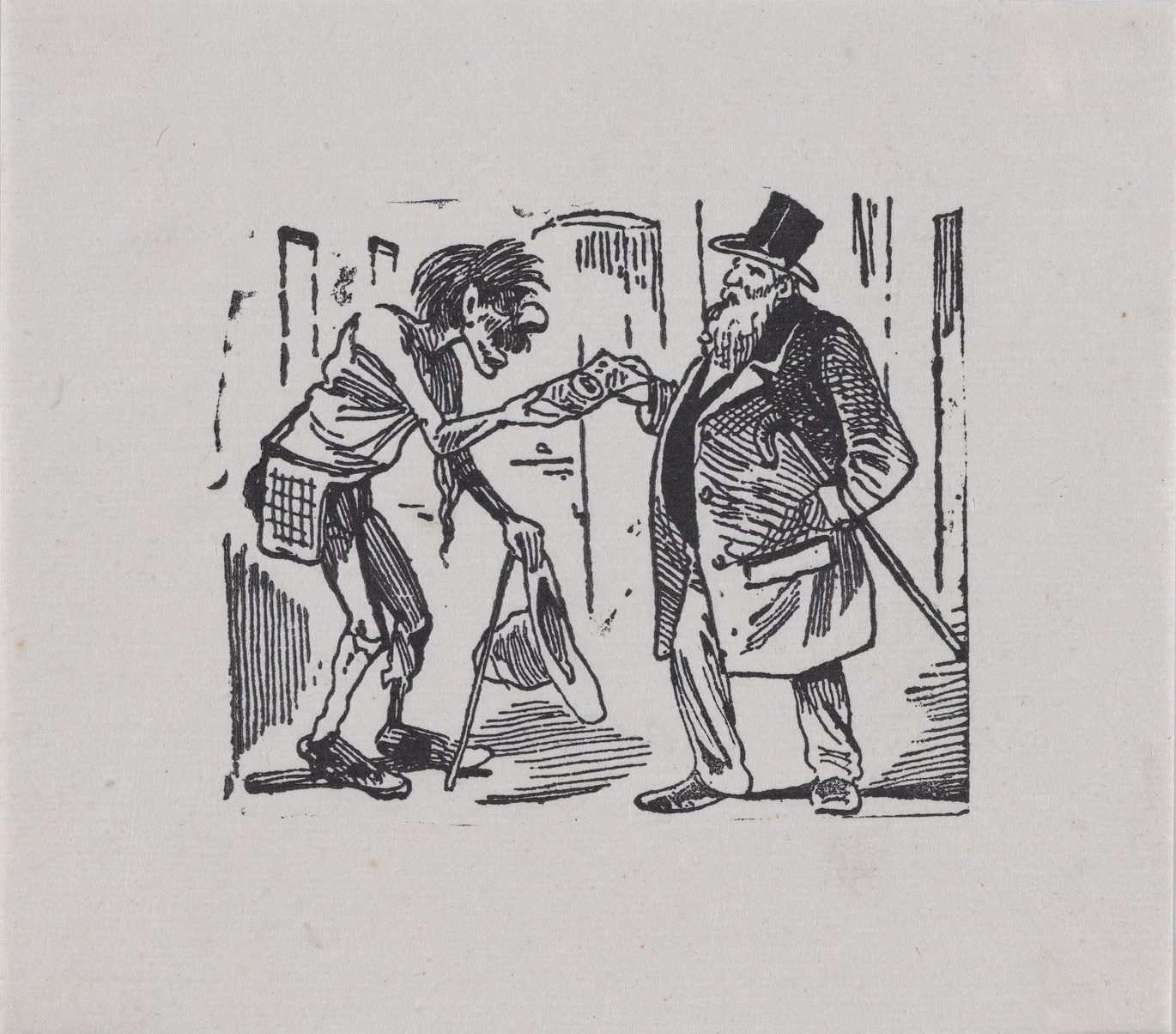
With the holiday season in full swing, the spirit of gift-giving follows in pursuit. It is no secret that people who celebrate are generally more generous with their actions toward others, but besides the charisma of the holiday spirit, why do people feel the need to give gifts? Through a combination of assessing common-day customs and Andrew Carnegie’s “The Gospel of Wealth,” I have concluded that performative generosity is running rampant in today’s society, and that this season, all should take action against self-centered gifting and analyze their personal rationale for giving gifts. In a season defined by generosity, modern gift-giving has become a performance, driven by validation rather than genuine care for others.
What prompted my dissection of this ideal was a family member of mine. During a conversation, he mentioned how, in the future, he would like to own food trucks that deliver hot meals to people on the streets during the holiday season. He specifically emphasized how he would like to keep his name out of the equation, making the operation happen through an undisclosed donor. To this, I was surprised, not at the thoughtful idea of the truck, but at the idea of keeping his name a secret. After I questioned, he responded with how he doesn’t see a need for his name to be attached to an operation such as this; he plans on establishing these trucks for the good of and spirit of the community, not for himself. Succeeding this conversation, it stuck in my mind. As I continued through my daily activities, I kept stumbling across situations quite opposite to the previously discussed: general conversations of good deeds done or gifting being publicized. Unambiguously, people are searching for validation through their gift-giving habits. While this happens continually throughout the year, not just during holidays, it is more prominent during this season because it is so heavily filled with ideals of capitalism. Now, capitalism is a topic for discussion, but in this context, capitalism thrives on visibility—on turning generosity into something that can be displayed, measured, and praised. While humans naturally seek validation from others, I believe that during a time filled with such merriness, there is a call for regulating the self-regarding undertones of the giving tradition.
The reality of today’s society is the reliance on validation. However, this isn’t a new subject of conversation as it has persisted throughout history. Much like modern holiday giving shared on social media, Carnegie’s philanthropy raises the question of whether generosity is meant to serve others, or to redeem the giver. In the late 1800s, Andrew Carnegie wrote the infamous “The Gospel of Wealth,” which remains a pinnacle example of performative generosity. For context, Carnegie was one of the wealthiest men during his time, known for his unwillingness to share his fortune until the final years of his life when he wrote “The Gospel of Wealth.” In this book, he explained how the wealthy should hand off their wealth to society as opposed to living in excess amounts of wealth they won’t spend. While this may seem like a heroic act, it poses the question of his true intentions in writing this book. Simply, Carnegie was a man of capitalism who valued his individual wealth until the later years of his life where he donated it to society, posing the sincerity of his intentions in spreading this message. Many critics of this book would agree that his exigence of creating this ideal may not have been sincere, and instead, a way to clear his guilty conscience before the end of his life. Public acts of generosity are not inherently harmful; visibility can inspire others to give. However, when recognition becomes the motivation rather than a byproduct, generosity loses its sincerity. While this is not specific to the holiday season, it still echoes how performative generosity has persisted in society throughout the years.
This holiday season in particular, in order not to fall victim to performative generosity, find the true meaning of why you are giving gifts. My advice would be to create meaningful gifts for others; this way, it is less likely that you will want to share what you have given them because it is special to you and the receiver. By creating your own personal gifts, you are making it unique for each person, and in turn, building an overall stronger connection with each other. While store-bought gifts can also be personal, this is a simple and personal solution to this issue. However, if you still are not satisfied with this, I recommend looking inside of yourself and asking why you feel the need for other people to validate your gifts. Is it because you’re anxious they might not like it? Or is it just because you want to display how much money or effort you put into the gift? Both of these are effective questions to consider on your journey to reducing performative generosity. Although this may be hard to combat in the beginning, through the majority taking initiative, true intention can become a reality for society once again.
With this in mind, it becomes easier to distinguish between genuine generosity and giving that seeks recognition. While this may seem minuscule in the grand scheme of things, it’s important not to be tied to the masses and give a true, meaningful gift this holiday season. And perhaps the most meaningful gifts this season won’t be the ones broadcast on the news, but instead the ones no one will hear about.