















Many people are familiar with the book Call Me by Your Name. This book also has a film adaptation starring Timothée Chalamet and Armie Hammer, for the more visual fans. In both the novel and the film, the quote “Is it better to speak or to die?” offers a philosophical perspective on emotional reality.
The story follows Elio and his friendship-turned-romantic relationship with Oliver. Elio’s mom says the quote, previously mentioned, when she feels like he is letting Oliver go, physically and emotionally. Elio loves Oliver, but he never says it. For Elio, this quote represents his reality of either speaking to Oliver about his feelings or suffering the pain of unanswered questions and confessions. Elio views this conflict as possibly leading to death either way. If he expresses his love for Oliver, and he gets met with rejection, he would suffer from the consequences of a one-sided kinship. This is what makes this phrase so complex; there are so many meanings it can have, inviting open interpretation.
Furthermore, this phrase dives into ethical reasoning as well. Outside of the story, this quote can be interpreted as doing the right thing or suffering the moral consequences for not doing so. However, just like in Elio’s case, speaking up sometimes results in immediate pain. Sometimes speaking up for something morally just can result in physical harm. For example, historic figure and civil activist Dr. Martin Luther King Jr. was assassinated for being a leading figure in equality among all races, as well as many other civil rights causes, such as striking sanitation workers. Dr. Martin Luther King Jr. stood up for his morals, and, in turn, it cost him his life. Dr. Martin Luther King Jr. couldn’t bear the mental torture of not speaking his mind, or the death of his morals. He chose to speak, despite the danger he would face.
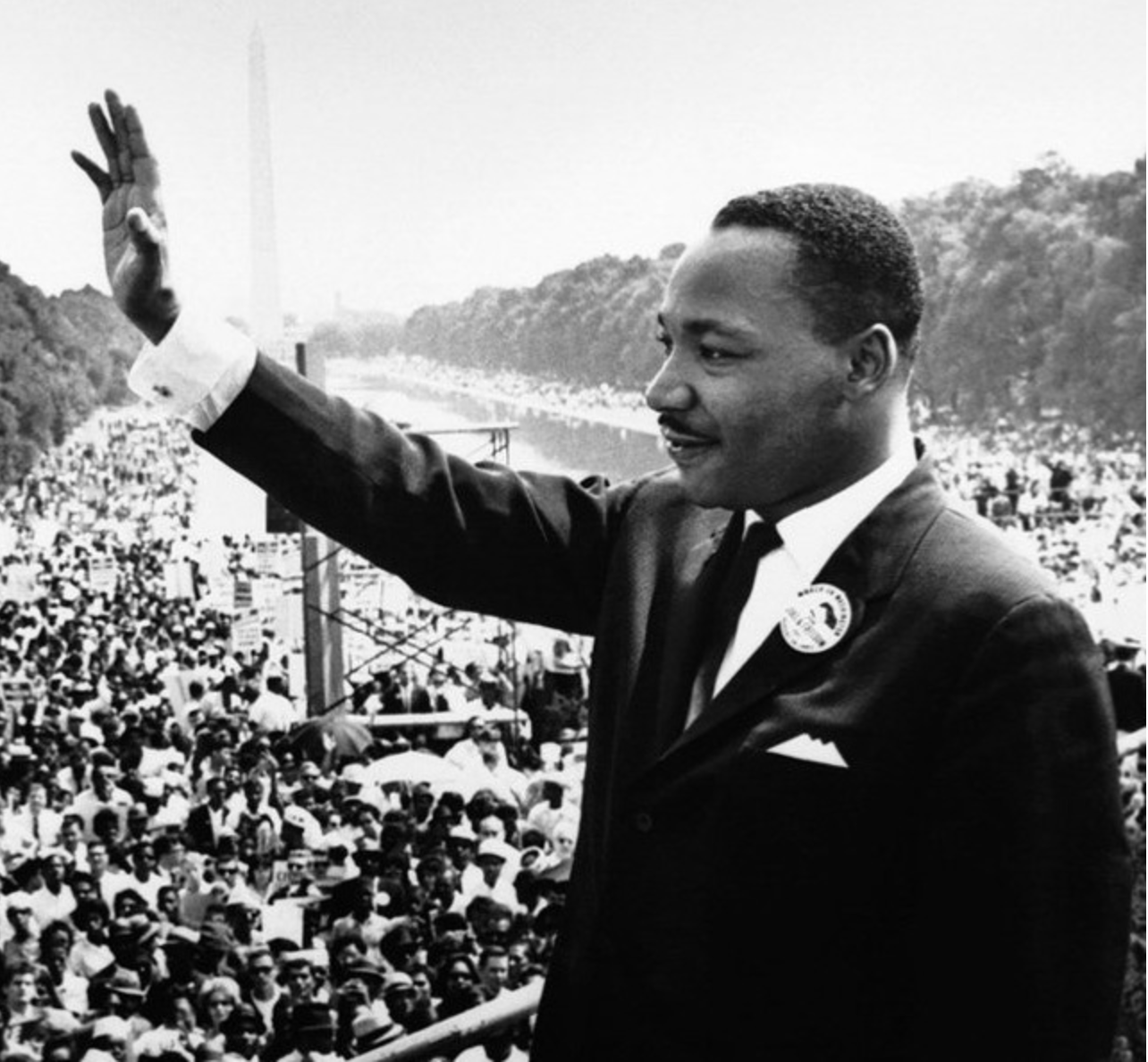
While, unfortunately, Dr. Martin Luther King Jr. died from speaking his mind, this doesn’t mean that the quote has to result in literal physical death only. In humanity, it’s daunting to be vulnerable or face reality at times, due to embarrassment or rejection. “Is it better to speak or to die?” embodies this actuality, juxtaposing something as simple as speaking to death. For some, the anxiety of speaking their piece and the risk that it may not be received the right way doesn’t outweigh the regret of not speaking at all. Inversely, speaking seems better for some, because at least they tried to speak their mind, as opposed to never getting a real answer or response. While this decision applies to the person and situation, it usually uncovers a person’s psyche and even morality.
When someone is presented with a decision, such as to speak or to die, it can reveal their true intentions of a situation, as well as their willingness to confront discomfort in order to achieve honesty. In many ways, this dilemma reflects a universal human experience: the tension between fear and authenticity. People are constantly faced with moments where they must decide whether to protect themselves from potential pain or to risk vulnerability in pursuit of truth. This internal struggle is not limited to romantic relationships, but extends to friendships, family dynamics, and even societal issues. Choosing silence may provide temporary comfort, but it often leads to long-term regret, unanswered questions, and emotional stagnation. On the other hand, choosing to speak can bring clarity, closure, and personal growth, even if it comes with immediate hardship. Ultimately, the quote challenges individuals to reflect on what they value more—emotional safety or emotional truth—and forces them to confront the consequences of both choices. In doing so, it highlights that while silence may feel like preservation, it can also represent a different kind of loss: the loss of opportunity, connection, and self-expression.
In conclusion, “Is it better to speak or to die?” is more than just a line within Call Me by Your Name; it is a reflection of the difficult choices individuals face when navigating vulnerability, morality, and truth. Through Elio’s internal conflict and real-world examples like Dr. Martin Luther King Jr., the quote emphasizes that both silence and expression carry consequences. While speaking may lead to immediate pain or risk, remaining silent can result in deeper, lasting regret. Ultimately, the decision to speak or remain silent reveals not only a person’s emotions, but also their values, courage, and identity, reinforcing the idea that truth—no matter how difficult—is often worth confronting.


Nadia Jeyaram • Apr 1, 2026 at 11:21 am
This is a wonderful analysis of a very important topic! I love how you opened with modern pop culture by using Call Me by Your Name, but then connected it to historical events, showing through lines that highlight the importance of this issue.