In the midst of finals and the cold winter weather, many find themselves looking back on an earlier time in life when there were no papers to grade, tests to study for, or even prying oneself out of bed early in the morning when the dark sky and chilly air pull many back to the warm covers. While pushing through the finals season is certainly important, so is taking a break and giving the brain time to rest during this busy season. One way students can take a break is through listening to music as the different arrangements have the ability to evoke nostalgia.
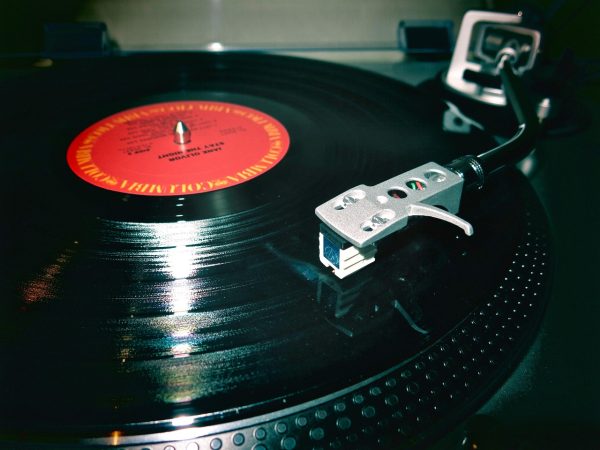
Music’s ability to resurface past memories can be explained by the brain’s reaction to music. When listening to music certain regions in the brain, like the medial prefrontal cortex and the hippocampus, light up. The medial prefrontal cortex is responsible for processing thoughts and regulating emotions while the hippocampus is used to generate and retrieve memories. Together, these regions in the brain work together to resurface past memories by listening to music. Interestingly, music’s tie with nostalgia has been used to help people with Alzheimer’s. Listening to music can help those, who would otherwise struggle to recall, remember certain memories. So even when people with cognitive decline that can’t be fully reversed listen to music, the connection music makes to the medial prefrontal cortex and the hippocampus helps them retrieve past memories that otherwise couldn’t be retrieved.

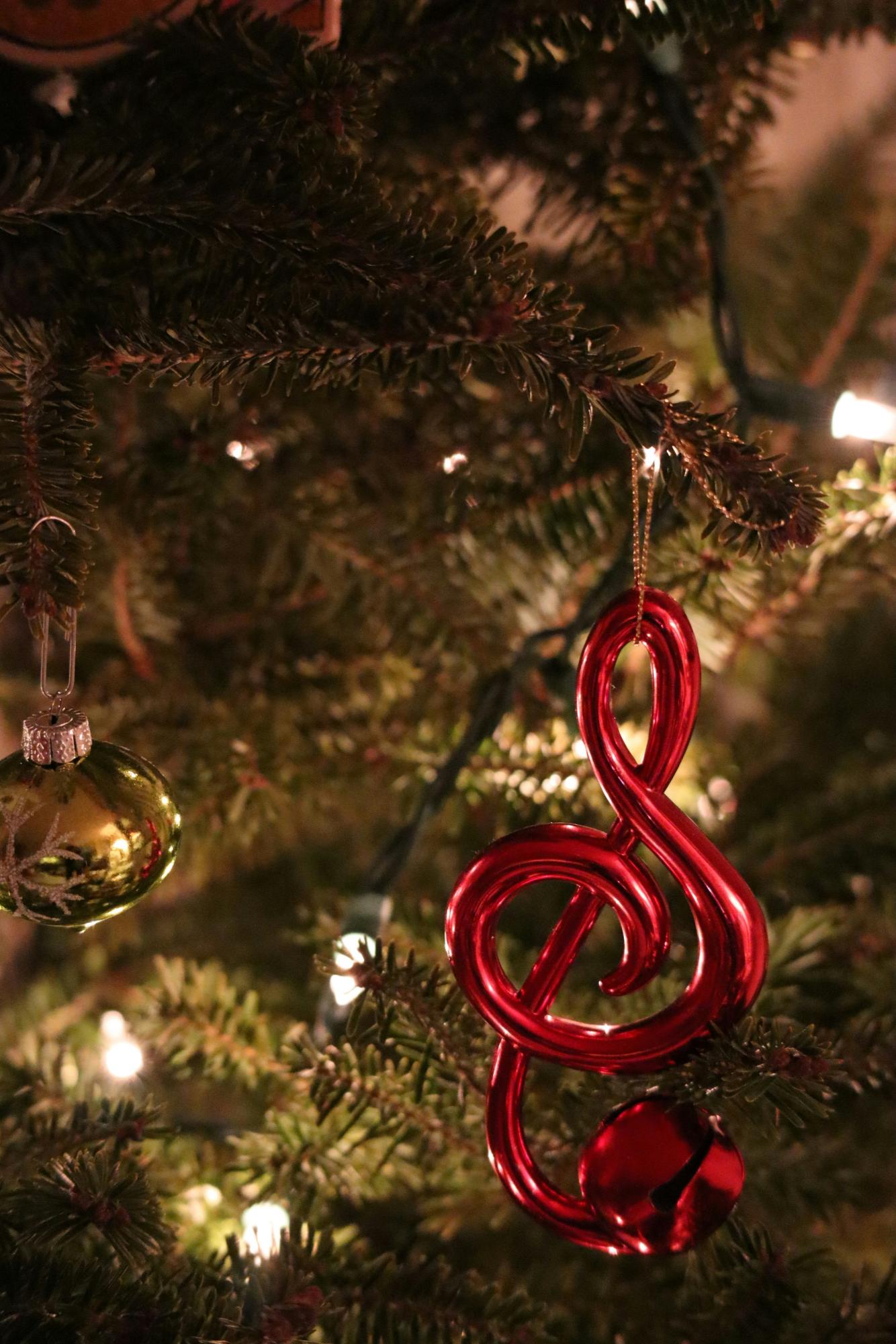
Among all the fascinating factors that contribute to music’s ability to resurface past memories, the personal connection people share with music adds individuality to their music taste. For example, the different seasons of the year can influence a person’s decision when choosing what songs or artists to listen to. Dr. Low adds to this idea of the seasonal influence of music by explaining how his strongest association with winter music are the songs he listened to during the winter of his sophomore year in high school—in particular, the album One Hot Minute by Red Hot Chili Peppers. Interestingly, Dr. Low expresses how when listening to the music he heavily associates with his high school days, he makes an effort not over listen as it will cheapen the song and its emotional value. Similarly, overplaying songs during the late fall to early winter season is certainly not uncommon—especially when it comes to Christmas music. The controversy surrounding the appropriate time of year to start playing Christmas music is usually justified by the authority Thanksgiving holds as a holiday. Another reason to argue against playing Christmas music directly after Halloween is that overplaying classic and traditional Christmas songs can undermine the emotional value it holds over the audience. Regardless of these opinions on the appropriate time to begin the Christmas celebration, many can agree these Christmas classics hold memories and prompt and emotional response among the audience. For me, a nostalgic Christmas song is “Feliz Navidad” as I would always listen to it decorating the Christmas tree with my family when I was younger. And for others, like Adrishya Kumar, Michael Bublé’s Christmas songs hold a nostalgic value during the Christmas season.
So as finals season has many students buried between studying for tests and finishing up the assignments of the semester, don’t forget to take a moment and enjoy some Christmas music or songs associated with the winter season!