During my visit to Memphis for the International Blues Challenge, I took some time to visit the National Civil Rights Museum at the Lorraine Motel, where Dr. Martin Luther King Jr. was assassinated in 1968. The museum focuses on the Civil Rights era, but what stood out most was how strongly its message connects to the modern world.
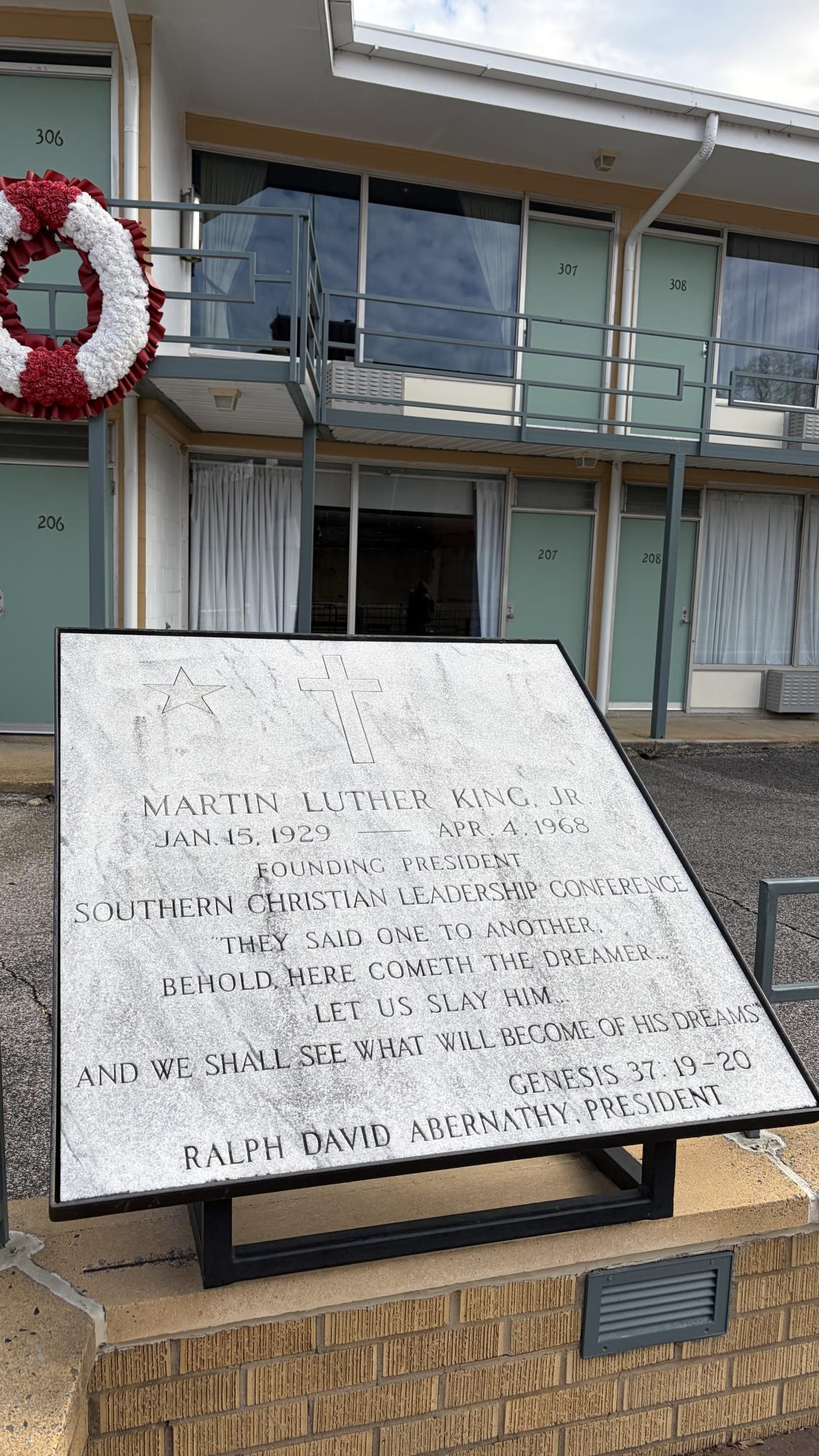
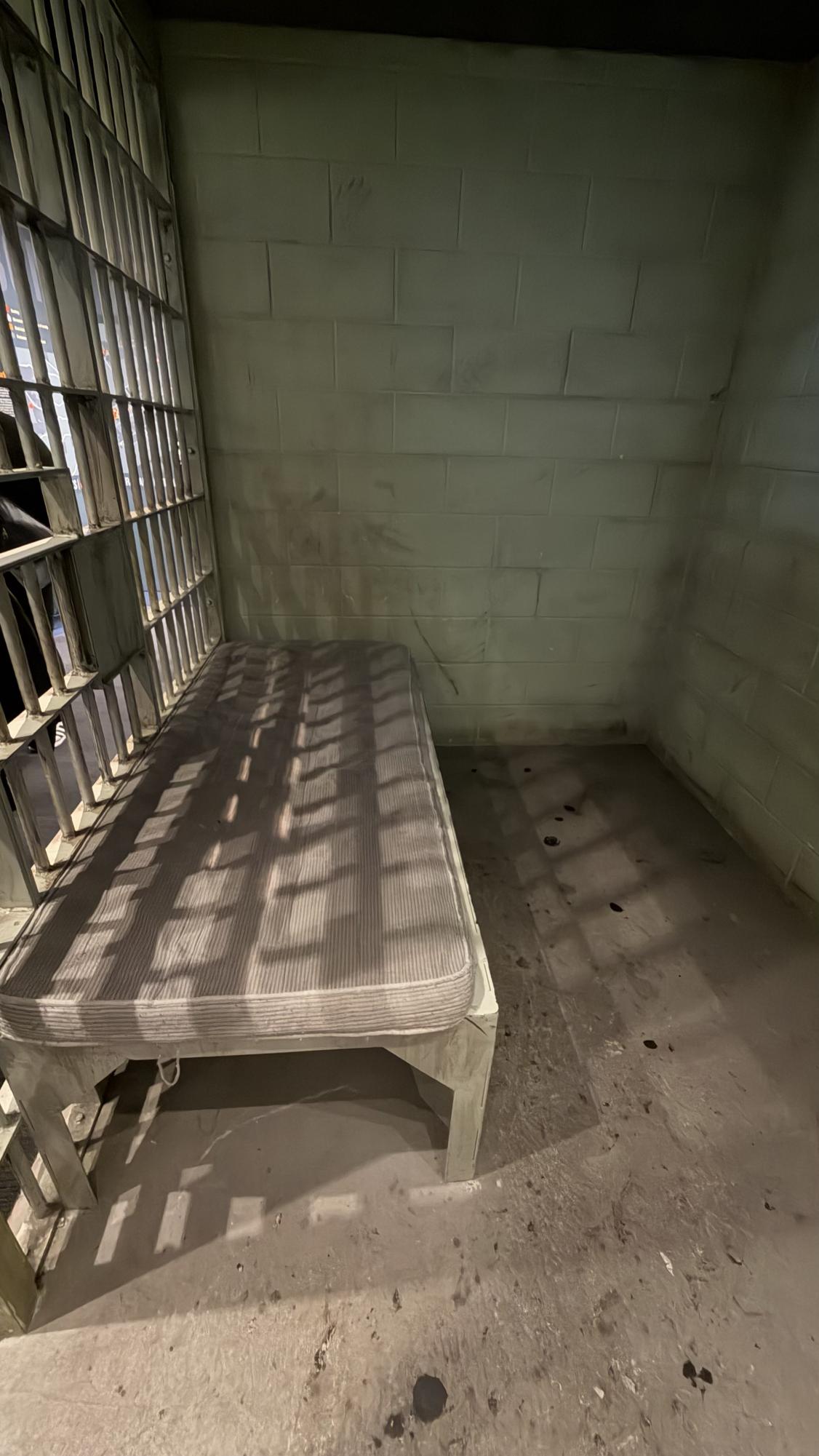
The exhibits walk visitors through key moments of the Civil Rights Movement, including segregation, protests, and fights for voting and labor rights. Seeing the stories of people who participated in this movement made it clear to me that social change was not automatic. The persistence and sacrifice of everyone involved was constant.
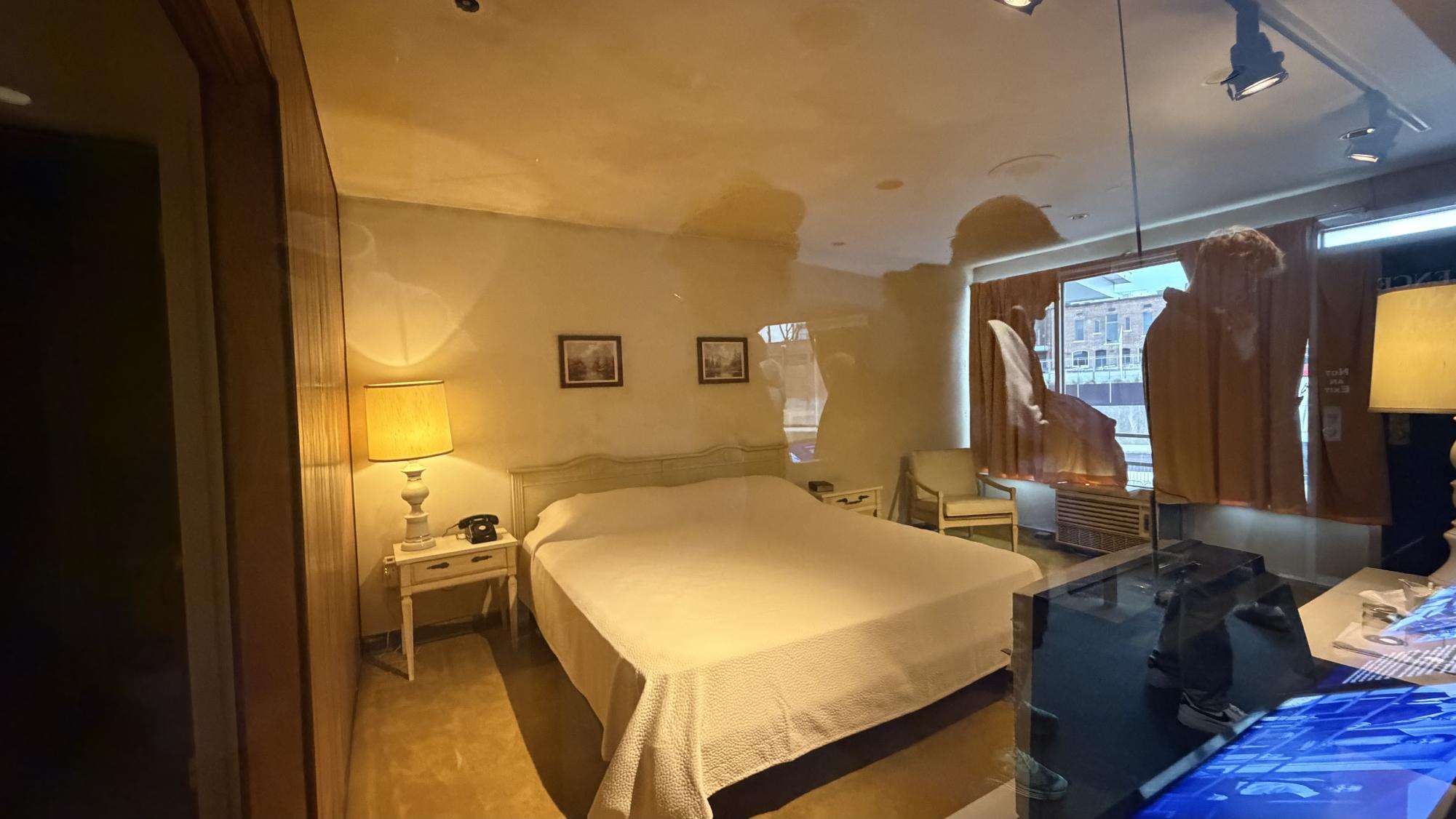
One of the most memorable parts of the museum was standing beside the balcony room where Dr. King spent his final night and was assassinated the next day. In my mind, that room represents the resistance that still exists in creating equality for all. Progress still comes alongside backlash.
What makes the museum relevant in 2026 is how many of the issues it highlights are still present in modern society. Debates over racial inequality, immigration, policing, voting access, and protest remain prevalent today. The Civil Rights Movement shows that lasting change can happen if it begins with organized, peaceful action and public pressure.
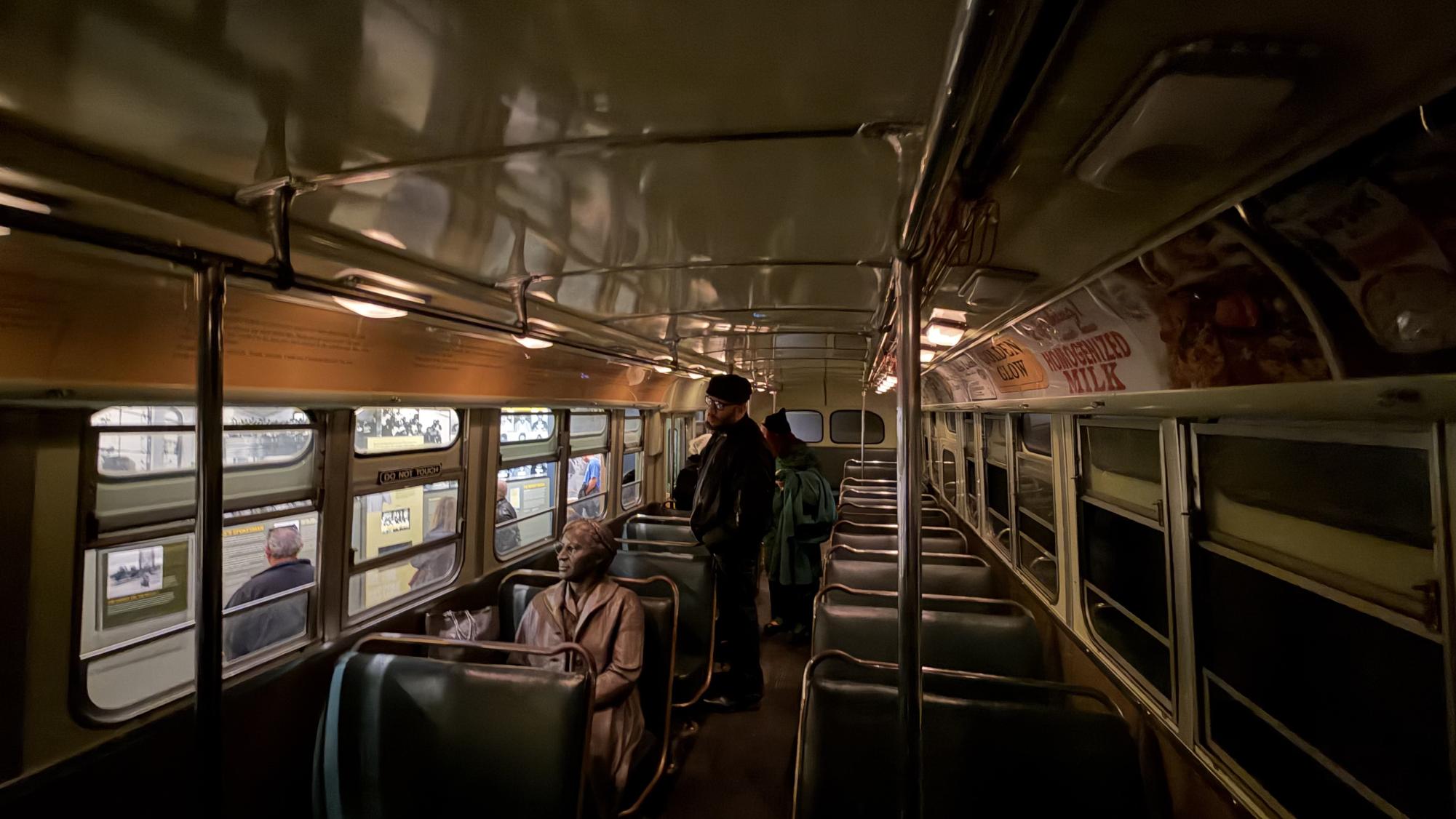
The museum doesn’t portray the Civil Rights Era as a time bygone; rather, it presents it as a foundation to create change in the future. Visiting the museum made it clear to me that questions raised decades ago by leaders such as Martin Luther King and Malcolm X are still being answered more than 50 years later.